Gapping Piston Rings: Here’s What You Need to Know!
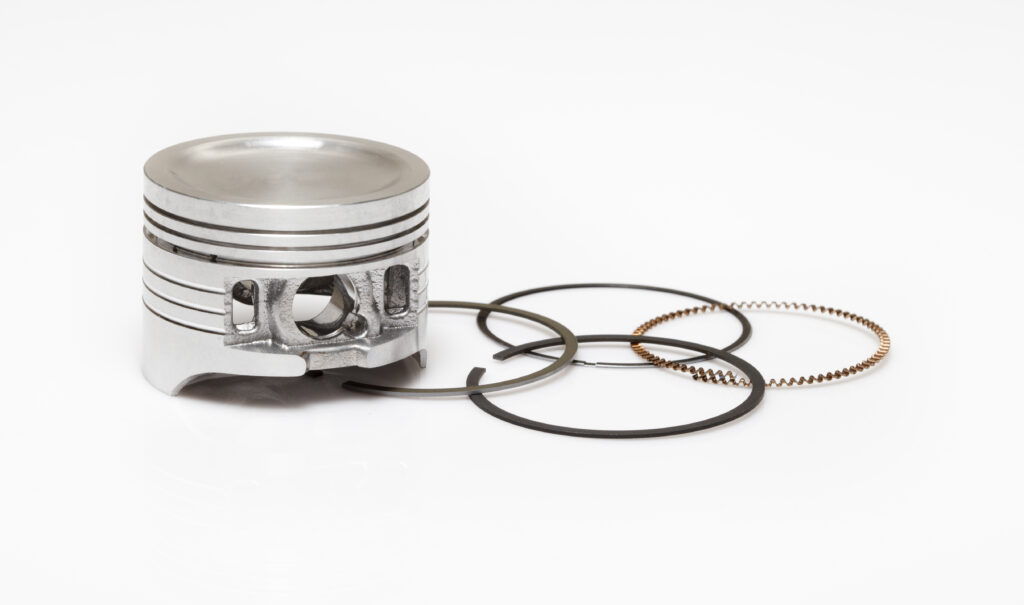
When it comes to engine builds, there are a few things you just don’t skip—torque specs, clean surfaces, and perhaps most importantly, proper piston ring gaps. Whether you’re refreshing a stock small block or building a fire-breathing turbocharged LS, getting those ring gaps right can be the difference between a reliable powerplant and a coffee table for your man cave.
So let’s talk piston ring gapping—why it matters, how it changes depending on your setup, and what can happen if you ignore it.
Table of Contents
What is Piston Ring Gapping?
Piston rings seal the combustion chamber, regulate oil control, and help transfer heat from the piston to the cylinder wall. Each ring has a small gap, which allows it to expand with heat during operation. If that gap is too tight, there’s no room for expansion. If it’s too loose, you lose compression and risk excessive blow-by.
The idea is to find that sweet spot based on your engine’s purpose—daily driver, track monster, or forced-induction beast.
Why Factory Specs Aren’t Always Enough
On a factory-built engine, ring gaps are designed for the moderate temperatures and loads that a stock setup will see. That works fine for most street cars, where the engine rarely sees redline and combustion temps stay reasonable.
But if you add boost, increase compression, or start wringing the engine out at high RPMs, you’re going to see way more heat. That heat causes the piston rings to expand more than they would in a stock engine. If the gaps are too tight, the ends of the rings can butt together when they expand—causing binding, scuffing, or even catastrophic failure like cracked pistons or broken ring lands.
Stock NA vs. Boosted Builds
Let’s break it down:
Stock Naturally Aspirated (NA) Build:
For a typical rebuild or mild street build, factory spec ring gaps are usually just fine. They’re designed to keep blow-by low and maintain efficiency. But if you’re upgrading to forged internals or plan on running the car hard, it might be worth opening up the gaps a bit.
Forced Induction (Turbo or Supercharged):
This is where things change. Boost means more cylinder pressure and more heat. For these builds, you typically want to increase your ring gap by around 0.0010″ per inch of bore for every 100 horsepower per cylinder—though this can vary depending on material and application.
Some builders use general formulas like:
- Top ring gap = Bore x 0.0055″ for street boost
- Top ring gap = Bore x 0.0060″ or more for race boost
The second ring gap is usually slightly larger to allow pressure to escape between rings and reduce flutter. Skimping here is a gamble that rarely pays off.
Symptoms of Incorrect Ring Gap
If your ring gaps are too tight, you might not notice it right away—but under load or after a few heat cycles, things can go south fast. Common signs include:
- Scuffed cylinder walls
- Broken ring lands
- Excessive oil consumption
- Low compression in one or more cylinders
On the flip side, too loose of a gap can lead to increased blow-by, oil burning, and lower power. It’s all about balance.
Don’t Skip This Step
The good news? Gapping piston rings isn’t complicated. All it takes is a feeler gauge, a ring grinding tool, and some patience. You file the ends of the ring little by little, checking the gap in the cylinder bore until it’s just right. It’s a hands-on, old-school step that can save your expensive build from an early grave.
So whether you’re putting together a mild small block for weekend cruises or dialing in a 1000-hp turbo LS, don’t overlook your piston ring gaps. It’s one of those small details that makes a big difference—and something the pros never skip.
Because when you’re pushing power, precision matters. And with piston rings, too tight is never right.
Want to read more articles like this?
Join the PowerNation Email NewsletterRead More from PowerNation